Creating Real Solutions Through Co-Living and Hybrid Investment
Creating Real Solutions Through Co-Living and Hybrid Investment

Rising rents and strict loan guidelines are making homeownership harder for many families. At the same time, investors are searching for reliable ways to create consistent income without adding unnecessary risk. Co-living is becoming a powerful answer to both challenges. By rethinking how shared housing works, we can build communities that are affordable for residents and profitable for investors.
In my recent conversation with Omar Andreasen on the Mr Deed Podcast, I shared how my work in co-living, rent-to-own, and hybrid investing is helping people step closer to homeownership while strengthening long-term investment returns.
Why Co-Living Works Today
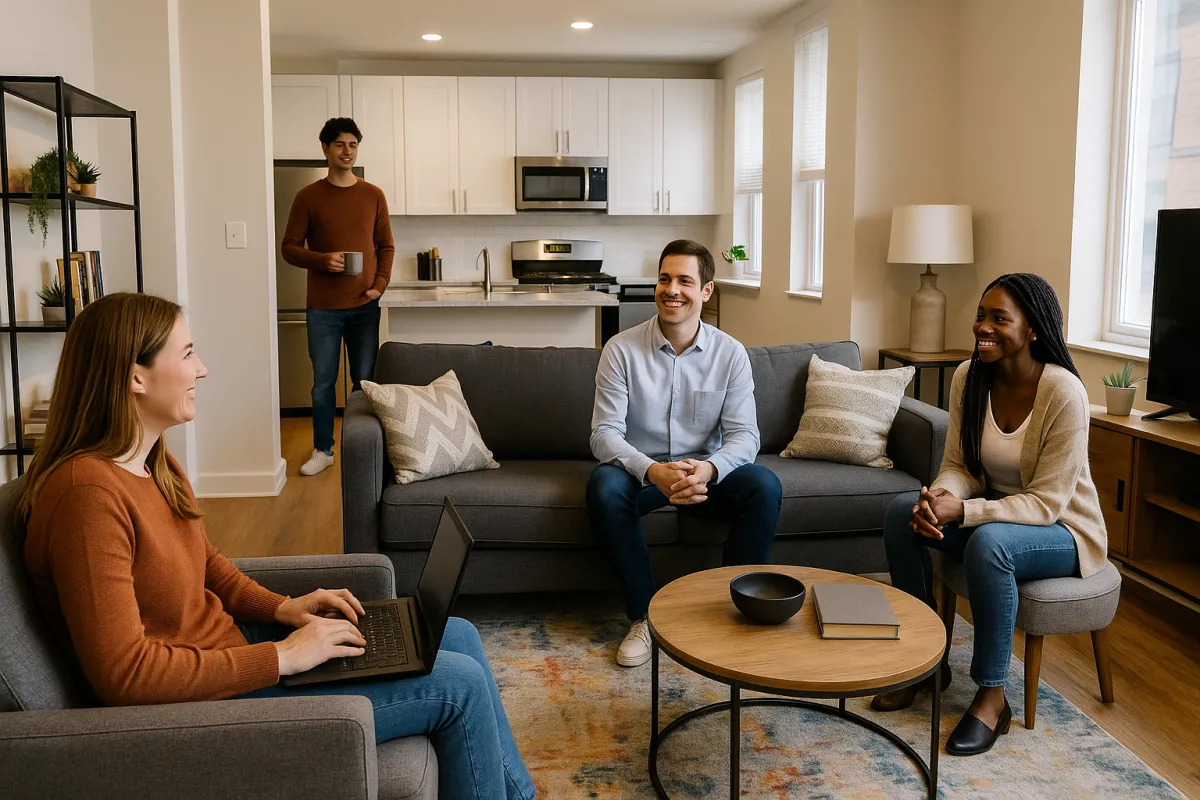
Co-living is not simply a modern twist on room rentals. It is a structured housing model designed to help working adults live affordably without losing privacy or independence. In most cases, we convert single-family homes into shared living environments where each resident has a private room and a secure lock, while common areas remain fully furnished and functional.
This model succeeds for several reasons:
Residents save money without sacrificing comfort
Investors achieve higher income per square foot
Properties remain occupied even in difficult markets
I shared with Omar the story of an investor in Denver who converted twenty former short-term rentals into co-living homes in a single move. All it took was adding interior keyless locks and including utilities. It worked because the demand for affordable housing continues to grow faster than supply.
The Human Side of Shared Living
One thing I make clear is that co-living is not just the management of real estate. It is the management of people. The biggest challenges rarely come from the property itself. They come from disagreements or personality differences among residents.
I believe in letting adults handle their own conflicts whenever possible. When I do step in, I approach every situation with direct communication and mutual respect. Sometimes a quick Zoom call is enough to reset expectations. Successful co-living requires structure, clarity, and accountability. That is what keeps the environment peaceful and the investment protected.
Supportive Laws and Growing Opportunity
A major advancement here in Colorado removed limits on how many unrelated adults can live together in one home. That change was part of a statewide effort to reduce homelessness and expand affordable housing options. Similar laws are now appearing in Oregon and Washington.
As short-term rental rules get stricter across many cities, co-living is moving in the opposite direction. Local governments recognize the need for practical solutions, and co-living meets the moment. Investors who act early benefit from strong demand and supportive legislation.
Streamlining Operations Through PadSplit

To make co-living manageable at scale, I work closely with PadSplit. The platform handles the heavy administrative work that often slows investors down. PadSplit manages:
Marketing and attracting new residents
Screening applicants
Billing and payment collection
Oversight of occupancy standards
This allows investors to focus on the condition of the home rather than the logistics of operations. For residents, this structure brings stability and fairness. For investors, it brings consistency and ease of management.
Elevating the Rent-to-Own Experience
Rent-to-own has gained a negative reputation in the past, but the issue is not the model. The issue is how it has often been executed. I told Omar that the biggest problem comes from letting buyers enter a rent-to-own contract without first working with a licensed loan officer.
In my company, Real Home Solutions, we start with financial clarity. Buyers learn exactly why they cannot qualify today and what steps will help them get approved in the future. Only then do we purchase a home for them to lease with the intention of buying within one to three years.
This approach creates:
Steady and dependable cash flow for investors
Clear progress toward homeownership for buyers
Stronger and more stable communities
Rent-to-own works when everyone understands the plan from day one.
Building Wealth with Hybrid Models
My hybrid investment strategy blends the strength of long-term wealth building with the predictable income of shorter-term transactions. Investors can earn:
An upfront non-refundable deposit
Monthly income until the buyer qualifies
A predetermined purchase price when the buyer closes
It is a strong fit for self-employed buyers who earn well but need more time to meet traditional lending rules. It also gives investors the opportunity to help people transition from uncertain rentals to true ownership as buyers.
What Market Cycles Teach All of Us
Both Omar and I lived through the financial crisis that shook the real estate world. I still remember watching investors lose properties because they relied too heavily on leverage or risky loan structures. There was one line I shared that still guides my decisions today.
“Leverage is amazing until it is not.”
Long-term success requires consistency, discipline, and realistic planning. Behind every good deal is a system that protects the investor and the resident.
Finding Balance Between Cashflow and Appreciation
When Omar asked which matters more, cash flow or appreciation, I answered with complete clarity.
“Cashflow keeps you alive. Appreciation makes you wealthy.”
A healthy portfolio needs both. Cash flow pays the expenses and keeps the business stable. Appreciation builds long-term wealth and financial freedom. The key is designing investments that do not rely on guesswork but allow both forces to work over time.
A Success Story That Shaped My Mission
One of my most meaningful experiences was helping a new agent who simply needed more time to establish an income history. We purchased a property for him through our program. Eighteen months later, he closed on that home as the full owner.
That moment captured why I continue to expand this work. Real estate is not just about profit. It is about giving people the chance to stand on their own and build a future they can control.
Listen to the Full Conversation
If you want to explore these ideas in greater depth, you can listen to my full conversation with Omar on the Mr Deed Podcast. We cover more about co-living, hybrid investing, and how real estate can empower both investors and families.
Watch the full conversation: https://youtu.be/euha4HafqIk?si=L4CrXGhSR0DeAyD3
Turning Knowledge Into Action
Speaking with Omar reminded me that real estate creates impact when we use it to solve real problems. Co-living and hybrid investing offer practical ways to expand affordable housing while strengthening investment portfolios. The future of real estate will reward those who innovate with purpose.